English 🇺🇸
-
MoS2 Powder vs Pre-Dispersed Concentrates in Grease Formulation: What the Treat-Rate Data Actually Says
A formulator’s guide to when dry MoS2 powder loses to pre-dispersed solid lubricant concentrates in grease,…
-

MoS2 Powder vs Pre-Dispersed Concentrates in Grease Formulation: What the Treat-Rate Data Actually Says
A formulator’s guide to when dry MoS2 powder loses to pre-dispersed solid lubricant concentrates in grease,…
-
NSF HX-1 Ingredient Listing Is Not Finished Lubricant Approval
A practical guide to the wording difference between NSF HX-1 ingredient listing and finished lubricant approval,…
-

Reading Four-Ball Grease Data Without Fooling Yourself
A practical guide to ASTM D2596 and D2266 for grease formulators: what four-ball data measures, where…
-

Why Solid Lubricant Powder Articles Need a Formulator’s Translation
Strong tribology articles are useful, but they are not finished formulation guidance. A practical guide to…
-

What an 800 kgf Weld Point Actually Means in Grease Formulation
A practical guide to reading Torvix X730 ASTM D2596 data correctly: what the 800 kgf weld…
-

What a Mining Haul Truck Field Study Can and Cannot Prove About Engine Oil Additives
A technical reading of Powderful’s mining haul-truck case study: what up to 28.8% more engine hours,…
-
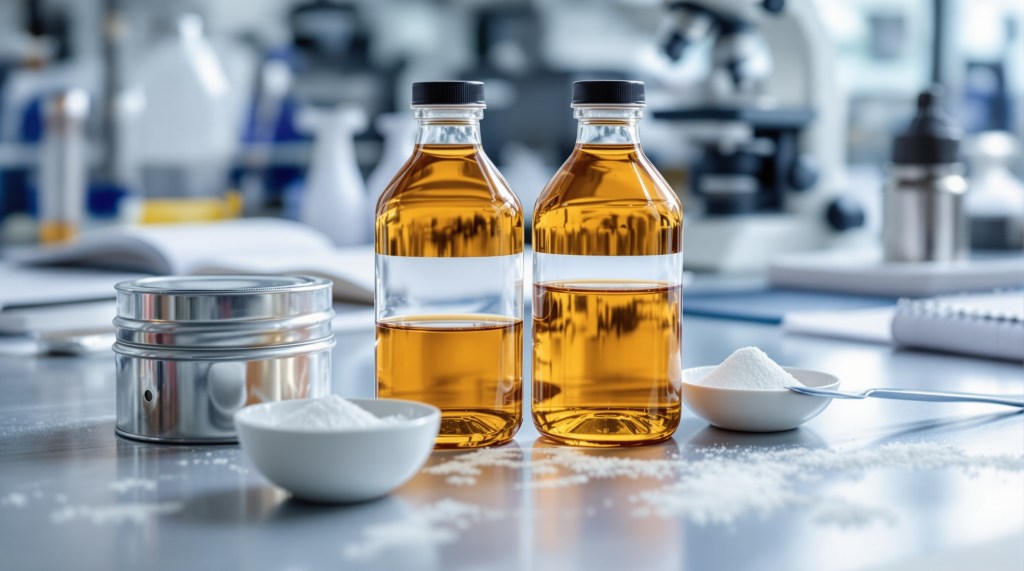
PTFE-Free Lubricant Formulation: A Practical EP and Anti-Wear Strategy
A practical framework for formulators replacing PTFE in grease and lubricant systems: define the function, screen…
-

Solid Lubricant Additive Form Factors: When to Choose a Dispersion, Dry Powder, or Grease Concentrate
Selecting between a submicron dispersion, a dry layered-platelet powder, or a pre-formulated grease concentrate is a…
-

Why Pre-Dispersed Solid Lubricant Additives Usually Beat Dry Powders in Grease Formulation
A practical formulator’s guide to why pre-dispersed WS2, MoS2, and hBN additives often outperform dry powders…

